

Singapore’s Green Development Story
Singapore’s transformation from a polluted, resource-scarce island in the 1960s to one of the world’s leading green cities is nothing short of remarkable. What began as a survival strategy has evolved into a national identity — one built on the conviction that sustainability is inseparable from progress.
This is not just a story about cleaner streets or greener buildings. It’s about how vision, leadership, and long-term planning can turn environmental vulnerability into a competitive advantage.
The Early Days: A City in Crisis
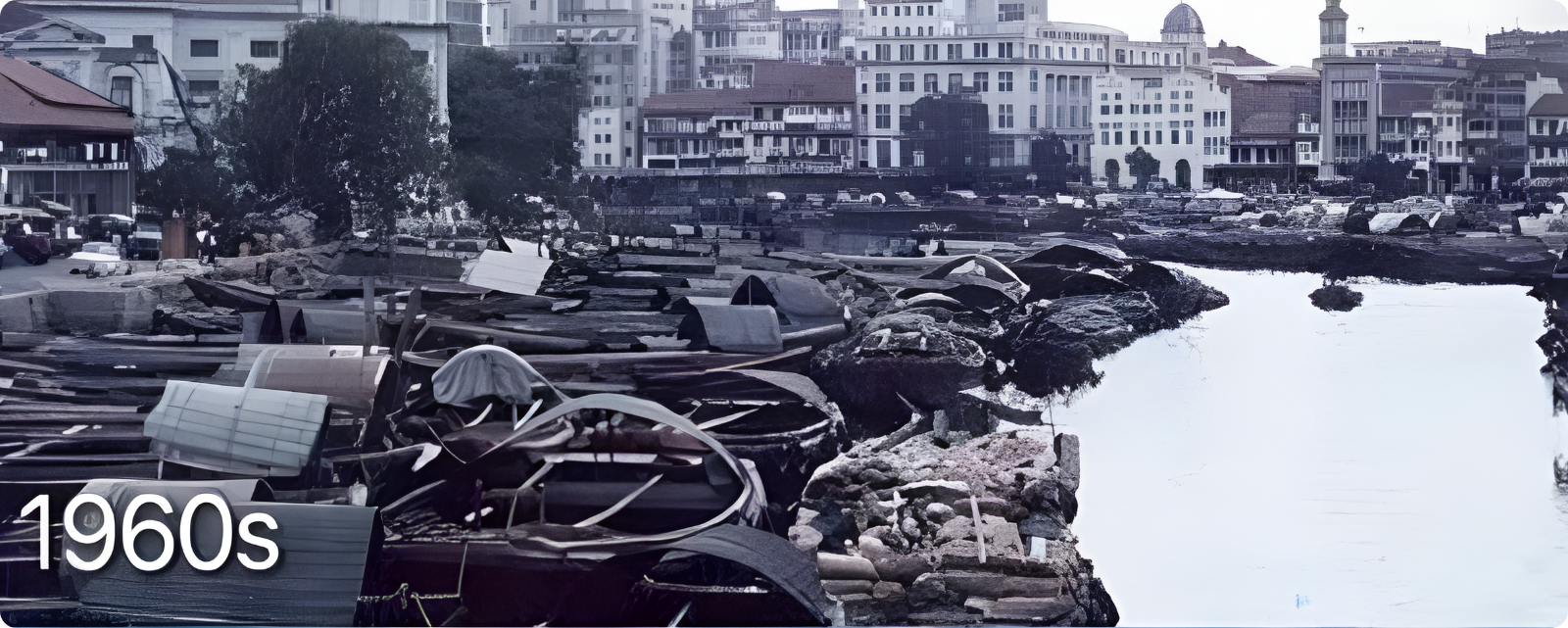
When Singapore gained independence in 1965, it was a small island with no natural resources, limited land, and severe pollution. The Singapore River, once the lifeline of the city, was choked with industrial waste and sewage. Overcrowding and rapid urbanization added pressure on already scarce water and housing supplies.
At that time, few nations saw environmental health as a development priority. But Singapore did. Then-Prime Minister Lee Kuan Yew understood that a clean and green environment was not a luxury — it was essential for attracting investment, tourism, and improving citizens’ quality of life.
Thus, he launched the “Garden City” vision in 1967 — a bold plan to transform the city into a lush, livable, and resilient urban environment. What began as a massive tree-planting campaign soon evolved into an entire urban ecosystem strategy built around sustainability, cleanliness, and long-term habitability.
From Garden City to Smart Green Nation
Over the decades, Singapore’s green vision matured in stages — each phase reflecting the nation’s growing understanding of sustainability as both an environmental and economic driver.
- 1970s–1980s: Clean and Green Foundation
Focus was placed on restoring rivers, building public housing with integrated greenery, and managing waste and water resources. The landmark Singapore River Clean-Up Project (1977–1987)became a symbol of environmental turnaround, transforming a polluted waterway into a thriving civic space. - 1990s: Integrated Environmental Planning
As industrialization grew, policies were introduced to control emissions, encourage energy efficiency, and create sustainable industrial estates. Urban greenery became mandatory — every development had to contribute to the island’s ecological fabric. - 2000s: The Green Building Revolution
The Building and Construction Authority (BCA)launched the Green Building Masterplans and the Green Mark Certification Scheme, establishing clear sustainability benchmarks for the built environment. Today, Singapore boasts over 2,000 certified green buildings, covering millions of square meters of floor space. - 2010s–Present: Toward a Smart, Circular, Net-Zero Nation
The country’s current ambition is to achieve net-zero emissions by 2050, guided by the Singapore Green Plan 2030. Investments in green finance, renewable energy imports, low-carbon technologies, and circular economy practices— such as waste-to-energy plants and water recycling (NEWater) — are helping the island maintain growth without increasing its environmental footprint.
Through each phase, one principle remained constant: sustainability was not treated as a separate goal, but as the foundation of national survival and prosperity.
Historic black-and-white photo of Singapore’s early industrial growth (contrast).
Impact Today: Leading by Example
Singapore’s results speak for themselves. Despite its size and density, it ranks consistently among the world’s most livable and sustainable cities.
- 2,000+ Green-Certified Buildings:The city’s skyline is a living laboratory of sustainable architecture — from high-rise vertical forests to energy-efficient public housing.
- Global Green Finance Hub:Singapore is positioning itself as Asia’s center for green finance, channeling billions into climate-aligned investments and bonds.
- Sustainable Mobility:Over 80% of trips are made via public or shared transport, supported by electric buses, car-free zones, and extensive cycling networks.
- Water and Energy Security:Through NEWater and desalination, Singapore has achieved near water self-sufficiency — a remarkable feat for a resource-scarce island.
What’s even more significant is the mindset: sustainability isn’t a government program anymore; it’s part of the nation’s culture. Schools, communities, and corporations all see environmental stewardship as a shared responsibility.
The Story’s Message: Sustainability as Survival
Singapore’s story carries a universal lesson. Sustainability is not a cost or a constraint — it is a strategy for survival, competitiveness, and well-being. The nation’s success was not driven by abundance but by necessity, proving that innovation often flourishes under constraint.
From cleaning its rivers to greening its rooftops, from building smart energy systems to pioneering green finance, Singapore shows that a country’s greatest resource is not land or oil — it’s vision.
In a century defined by climate change and rapid urbanization, Singapore stands as proof that when a nation invests in sustainable development, it invests in its own future.
Modern rooftop greenery
Closing Thought
Singapore’s green journey is ongoing — evolving from “Garden City” to “City in Nature” and, ultimately, to a Smart Green Nation. Its progress demonstrates that even the smallest of nations can lead the world when environmental responsibility becomes a shared national purpose.
What began as an act of survival has become a blueprint for global sustainability — and an inspiring reminder that the path to prosperity can, and must, be green.
Discover the inspiration behind our travel
Discover the inspiration behind our travel blog, where we share captivating stories and hidden gems from around the globe. Join us as we explore diverse cultures,