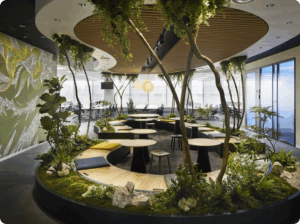


Redefining Sustainable Construction in India
India is the world’s fastest-growing construction market—and with rapid growth comes urgent responsibility. Every decision made today will shape the environmental and social outcomes of tomorrow. Sustainable construction in India is no longer optional; it is a strategic imperative for resilience, efficiency, and global leadership.
The Challenge
India adds 40–50 million m² of building space annually, driven by urbanization, economic growth, and demographic shifts. While this growth is vital for development, it exerts immense pressure on energy, water, and material resources.
Without sustainable practices, the country faces:
- Rising greenhouse gas emissionsfrom energy-intensive construction and building operations.
- Water scarcity, as urban and industrial demand competes with agriculture.
- Material depletion and waste, with large quantities of concrete, steel, and other resources consumed unsustainably.
The stakes are high: the choices India makes today will influence global environmental trends and the well-being of millions of future residents.
The Shift Toward Green
A transformative change is already underway. Indian developers, governments, and innovators are embracing green frameworks to guide sustainable construction.
- LEED India, GRIHA, and IGBCcertifications are becoming benchmarks for energy-efficient and environmentally responsible buildings.
- Renewable energy integration: Solar panels, microgrids, and energy-efficient systems are reducing operational carbon footprints.
- Prefabricated and modular construction: Minimizes construction waste, speeds up timelines, and improves quality control.
- Water and waste management: Rainwater harvesting, greywater recycling, and zero-waste strategies reduce stress on municipal infrastructure.
- Low-carbon materials: Use of fly ash, recycled steel, bamboo, and green concrete contributes to resource efficiency and carbon reduction.
These initiatives signal that India is not just keeping pace—it is innovating and demonstrating scalable models for sustainability.
Opportunities Ahead
India has a unique chance to leapfrog conventional construction models and embrace solutions that are smarter, greener, and more inclusive:
- Affordable green housing: Mass housing projects can integrate sustainable design principles, improving quality of life while reducing environmental impact.
- Smart Cities Mission: Technology-driven urban planning combines mobility, energy management, and green infrastructure for efficient, livable cities.
- Green job creation: Upskilling in sustainable construction, renewable energy, and eco-friendly materials can generate millions of jobs.
- Climate-resilient infrastructure: Buildings designed to withstand floods, heatwaves, and other climate challenges can protect communities and reduce long-term costs.
- Global leadership: By demonstrating scalable sustainable practices, India can become a model for the Global South, influencing policies and construction standards worldwide.
Case Studies: Leading by Example
Infosys: A Net-Zero Energy Vision
Infosys has set a benchmark in sustainable construction with its campuses across India. The company has achieved remarkable energy efficiency and sustainability gains despite a 166% increase in its workforce from FY2008-2020. Electricity consumption growth was limited to just 20%, avoiding 2.36 billion kWh of electricity consumption between FY2008 and FY2020. By FY2023, Infosys had approximately 28.9 million square feet of LEED Platinum certified space, making it the IT office space leader in India. The company has also implemented deep retrofits in older buildings to meet high energy efficiency standards.
Suzlon One Earth: India’s Greenest Office Campus
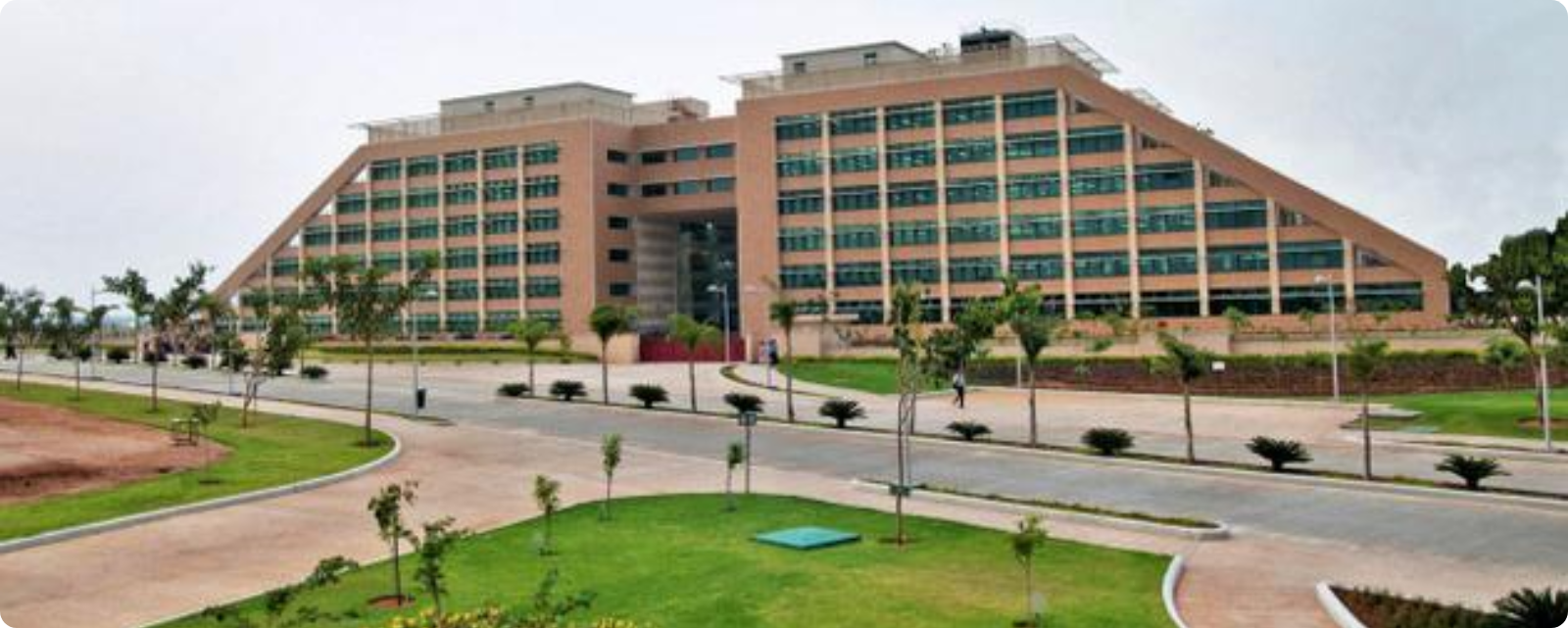
Suzlon One Earth in Pune is one of the greenest corporate campuses in the world. Designed by CCBA Designs and completed in 2009, the structure is a model for zero-energy design and sustainable living. The campus is divided into five interconnected buildings named after elements of nature—Sun, Aqua, Sky, Tree, and SEA. It has achieved LEED Platinum and GRIHA 5-star certifications, showcasing Suzlon’s commitment to sustainability.
GIFT City: A Sustainable Smart City
GIFT City in Gujarat is India’s first operational greenfield smart city. The city emphasizes sustainable development with features such as automated waste management, underground utility tunnels, and potable water solutions. It utilizes smart city infrastructure designed for optimal efficiency and minimal environmental impact. The development includes residential and commercial zones, hospitals, schools, and hotels, aiming to create a world-class trade center.
Closing Thought
India stands at a crossroads. The construction boom presents not only challenges but unprecedented opportunities. By embracing sustainability, innovation, and efficiency, India can redefine what it means to build responsibly.
The goal is clear: a construction industry that is not only bigger but smarter, greener, and more resilient, setting a standard for emerging economies around the world.
Discover the inspiration behind our travel
Discover the inspiration behind our travel blog, where we share captivating stories and hidden gems from around the globe. Join us as we explore diverse cultures,